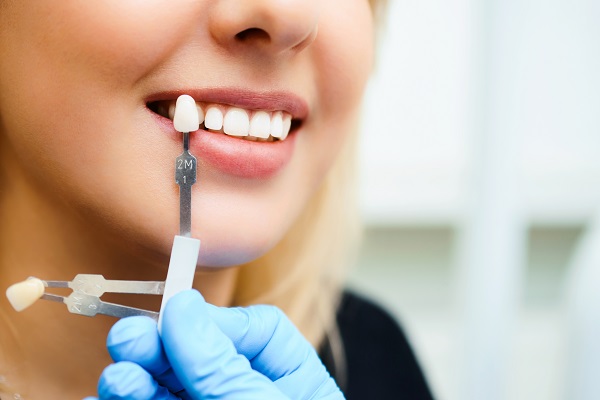
A dental crown is a device used to restore the functions and look of a tooth that has been damaged. If you need a root canal, a fractured tooth, or a big filling, your dentist may also decide to place a dental crown. The new crown covers the part of the tooth visible above the gums.
How is a dental crown used to restore a damaged tooth?
Dental crowns are permanently bonded to teeth that are severely decayed, fractured, or damaged. They cover the whole region of the natural tooth's crown that is above the gum line. Dental crowns are created to fit the patient's tooth and can be composed of various materials, including porcelain, composite resin, and gold.
Dentists use crowns for various purposes. They can prevent a cracked tooth from additional deterioration, strengthen a weak tooth, support a tooth with big fillings, and restore the form of a damaged tooth. The crown is a restoration that supports and replaces the tooth structure that has been damaged. When a crown is bonded to a broken tooth, it effectively becomes a part of the tooth and helps to keep it together.
A dentist usually recommends crowns to restore the function, form, look, and alignment of a damaged tooth. It is the only visible part of the tooth once it is in position. They are designed to blend in with the rest of the teeth and are usually undetectable. Crowns are made of strong and long-lasting materials so they can withstand the pressure of chewing and biting.
The dental crown placement
The soft tissues around the tooth that will receive the dental crown will be numbed with a local anesthetic by the dentist. They will remove a portion of the tooth enamel on both sides with a dental drill to make room for the new crown. If a portion of the present tooth's structure is missing, the dentist may fill up the gaps to provide a solid foundation for the dental crown. Following that, the dentist will take imprints of the teeth and send them to a dental lab, which will manufacture the crown.
After receiving the patient's tooth impressions, the dental lab will construct the crown in around two weeks. The dentist will offer a temporary crown to safeguard the tooth while it is being made. When the permanent crown is ready, a second appointment will be required. Next, the dentist will remove the temporary crown and fit the new one properly to the tooth and bite.
When the dentist is happy with the tooth's alignment, dental cement will firmly attach the crown to the tooth. The cement drying process ensures that the crown is securely attached.
The bottom line
If you currently have a tooth that is damaged, cracked, or decayed, it is a good idea to schedule a consultation appointment with a dentist as soon as possible. They will assess your situation and recommend the appropriate treatment.
Request an appointment here: https://www.mfgrassodds.com or call Michael F. Grasso DDS at (636) 777-7700 for an appointment in our Chesterfield office
Check out what others are saying about our dental services on Yelp: Dental Crown in Chesterfield, MO.
Recent Posts
A dental crown is a versatile restoration that can protect, strengthen, and enhance the appearance of a damaged or weakened tooth. When placed on a front tooth, a dental crown must meet both functional and cosmetic standards. Because front teeth are highly visible, material choice, fit, and aesthetic detail all become especially important. Understanding the…
Think you might need a dental crown? Read on to learn more about this restoration. Dental crowns play an essential role in restorative dentistry and are used primarily for correcting damage to the teeth. According to the Centers for Disease Control (CDC), 91% of Americans over the age of 20 have had cavities. Dental crowns…
If you are considering getting a dental crown, you might want to know how many appointments the procedure will require. The good news is, depending on the process, you might not have to wait that long. Usually, it takes two visits. Keep reading to learn more about what you can expect.The process of getting a…
Modern dentistry is improving with new technology that enhances patient comfort, convenience, and results. One of the most notable innovations is CEREC. A CEREC dentist provides same-day dental restorations with great precision and efficiency. Choosing this dental provider can change your treatment experience by making it quicker, more reliable, and more comfortable. Here are five…