How Adding a Deep-Cleaning Toothbrush to Your Oral Hygiene Routine Can Fight Off Gum Disease
Effective gum disease prevention starts with the right tools, and a deep-cleaning toothbrush helps you keep your gums healthy and free of gum disease. Many people assume that any toothbrush will work for their oral health needs. However, the specific design of the bristles makes a massive difference in the fight against gum disease and other oral health conditions.
The progression of gum disease
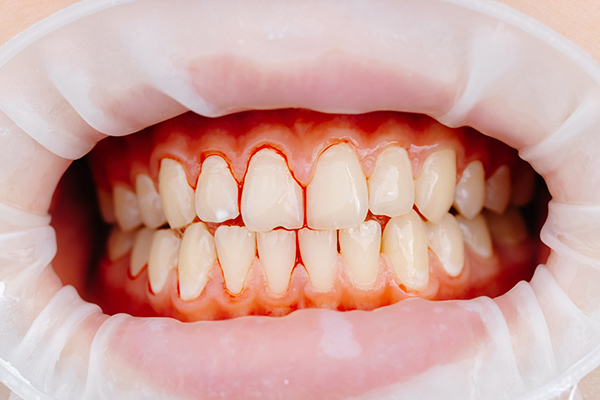
Plaque is a sticky film that forms on teeth throughout the day. When this film remains on the surface, it hardens into tartar, leading to chronic inflammation known as gingivitis. If this condition goes untreated, the tissue pulls away from the teeth, creating deep gaps. These gaps, or periodontal pockets, become a home for harmful bacteria.
Leftover plaque triggers a process that destroys the bone and fibers that hold teeth in place. This damage can be permanent. To stop this cycle, a person needs to remove the bacteria in the areas that a standard toothbrush cannot reach.
The reason longer bristles are better for gum disease
A deep cleaning toothbrush features longer bristles to reach subgingival bacteria. Standard, flat-cut bristles slide right over the top of the gumline. In contrast, a deep cleaning brush features thin, flexible tips that slide into narrow, hard-to-reach spaces with ease. A toothbrush with the right reach prevents the need for invasive dental procedures later in life.
The impact of using the right brushing technique
The best tool in the world is useless if the user does not use the correct method. A deep cleaning toothbrush requires a gentle touch and a specific angle to work as intended. When a patient adopts a more precise habit, the health of the entire mouth improves. The following steps can help them improve their oral hygiene routine and fight gum disease at home:
- Tilt the brush at a 45-degree angle toward the gums
- Gently push the longer bristles into the gums
- Use small, circular motions to loosen debris
- Avoid the urge to brush hard
- Spend a full two minutes gently brushing
A thorough and consistent brush technique keeps the patient’s gumline healthy, their smile bright, and their breath fresh.
Consistency for long-term oral health
Dental health is not a one-time event; it is a cumulative result of daily practices. While a deep cleaning toothbrush is a helpful tool, it works best alongside professional care. Routine exams allow a dentist to monitor the depth of periodontal pockets and catch issues when they first appear. When a patient combines a high-quality deep-cleaning brush with regular checkups, this improves their long-term oral health and reduces the risk of future complications.
Improve your oral health with the right toothbrush
Maintaining your smile is a simple task when you have the right strategy in place. Using a deep-cleaning toothbrush helps protect your gums from the dangers of gum disease and keeps your teeth healthy and strong. Would you like to know more? Call our Chesterfield office to schedule your next visit.
Request an appointment here: https://www.mfgrassodds.com or call Michael F. Grasso DDS at (636) 777-7700 for an appointment in our Chesterfield office.
Check out what others are saying about our dental services on Yelp: Gum Disease in Chesterfield, MO.
Recent Posts
Periodontal gum disease treatment helps prevent the progression of gum disease, which protects your oral and overall health. Periodontal disease, commonly referred to as gum disease, affects the tissues supporting the teeth, potentially leading to tooth loss if left untreated. A peridontist's early diagnosis and treatment of this condition can significantly improve your long-term gum…
Gum disease is often hard to avoid; however, once it is detected, patients can immediately visit their general dentist for a diagnosis and treatment plan. In order for it to be detected, the dentist will have to rely on any symptoms or signs that indicate a problem. Ready to learn more about the signs?Sometimes when…
Scaling and root planing for gum disease is an often performed dental procedure that involves cleaning deep down toward the tooth root and below the gum line to remove built-up plaque and tartar. It is a more extensive form of routine dental cleaning and often necessary when treating advanced cases of gum disease.Minor instances of…
If you're suffring from gum disease, you probably have the bacteria in your mouth to blame. At any time, humans have over 500 different types of bacteria living in their digestive system. Their primary purpose is to ensure proper food digestion and maintain intestinal health. Also, they fortify the immune system and help it combat…